
The real secret behind weight loss (That no one wants to admit) - What i wish i knew - part 3
You’ve probably seen all the flashy claims before:
• “Drop a stone in a week!”
• “Torch belly fat with this one weird trick!”
• “This is the latest breakthrough in nutrition science!”
But guess what all these so-called “miracle” diets have in common?
They put you in a calorie deficit. That’s it. That’s the secret. Simple, unsexy truth.
So, What Is a Calorie Deficit?
Keep it sustainable!
Rapid fat loss often comes from extreme calorie deficits, the kind you’ll see in fad diets.
Yes, they might give you quick results, but they’re rarely sustainable.
They leave you starving, miserable, and often lead to binge eating later—which means the weight not only comes back, but it usually brings friends.
Think of your body like a machine. It needs energy to function—whether you’re walking, working out, digesting food, even just breathing. That energy comes from the food you eat, and calories are simply a way of measuring how much energy food gives you.
If you consume fewer calories than your body uses, your body will make up the difference by burning stored fat. That’s fat loss. That’s the game.
The bigger the deficit, the faster the weight loss. But here’s the catch: bigger isn’t always better.
Understanding Food and Energy: Calories 101
1 calorie is the energy it takes to heat 1kg of water by 1°C.

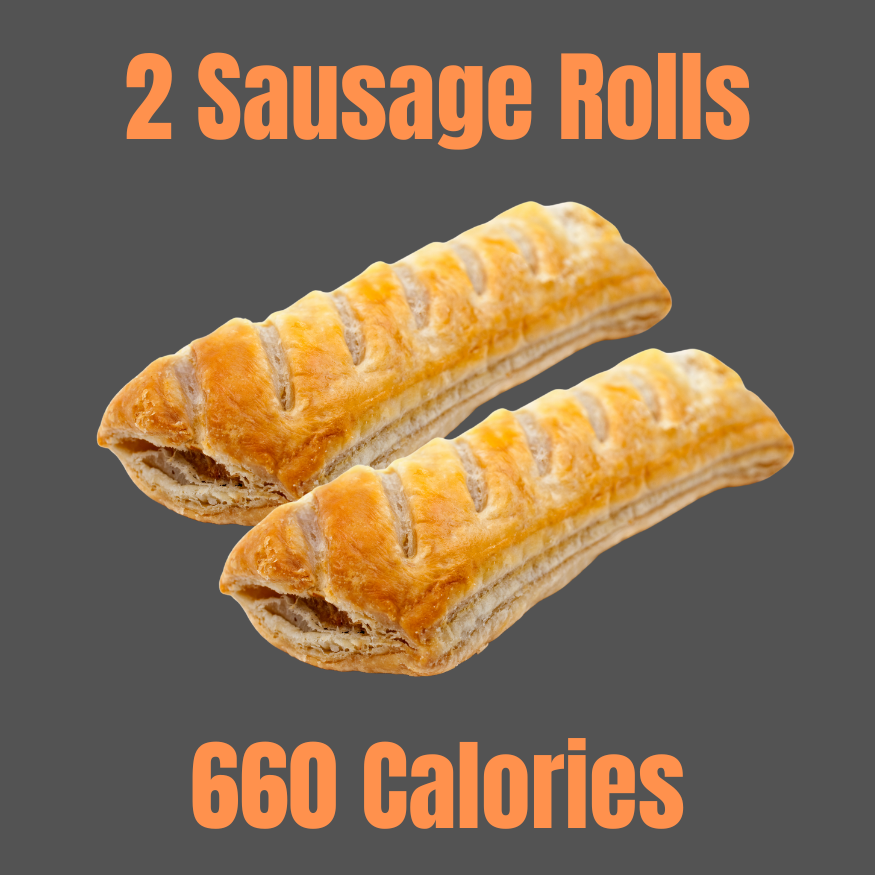
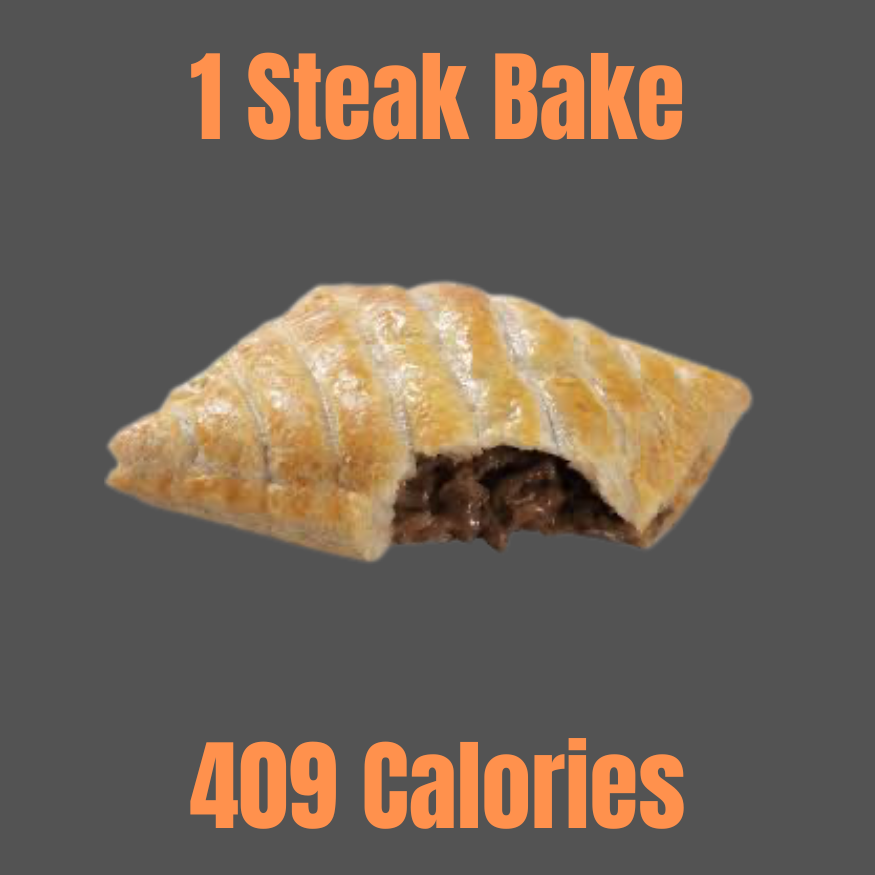
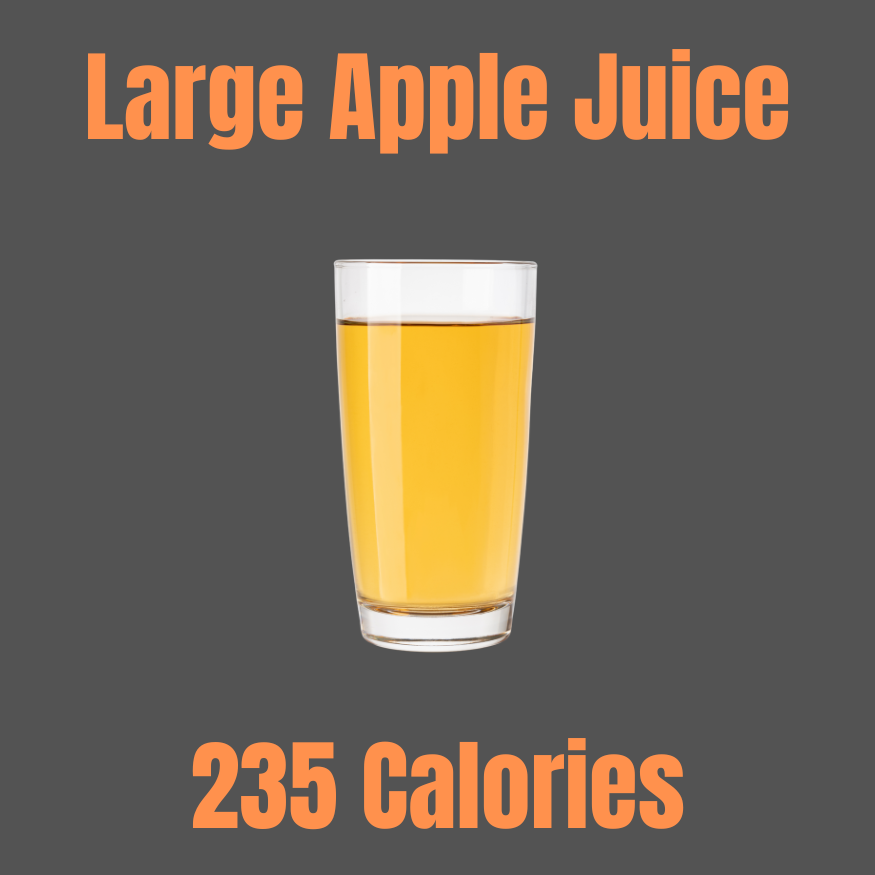

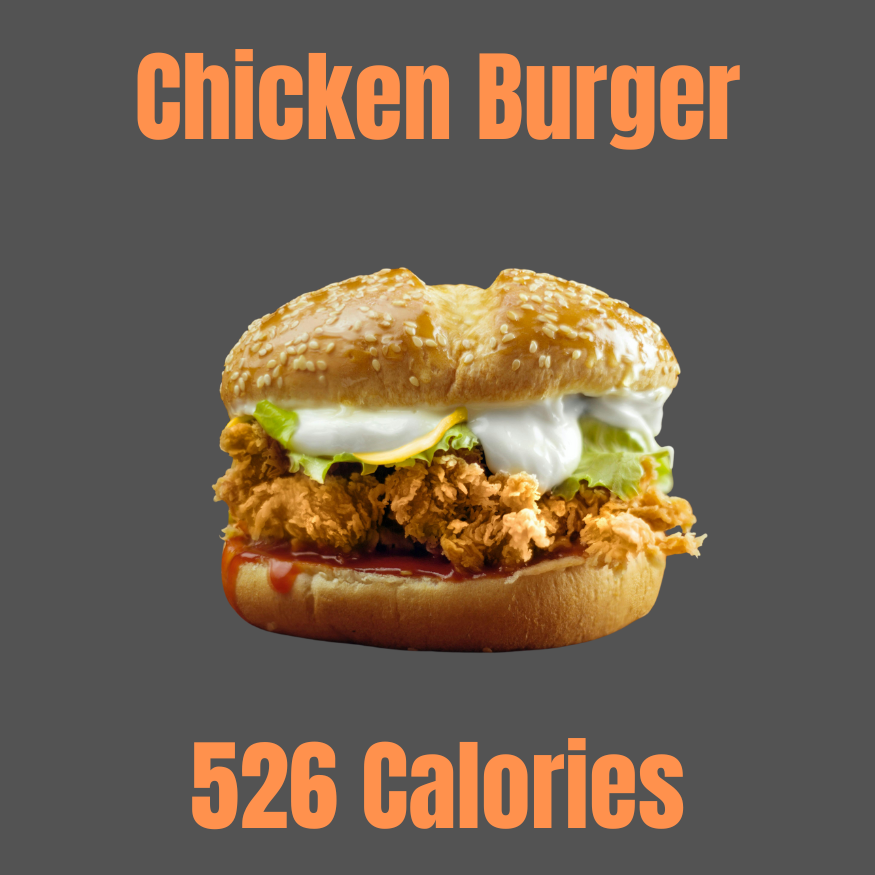
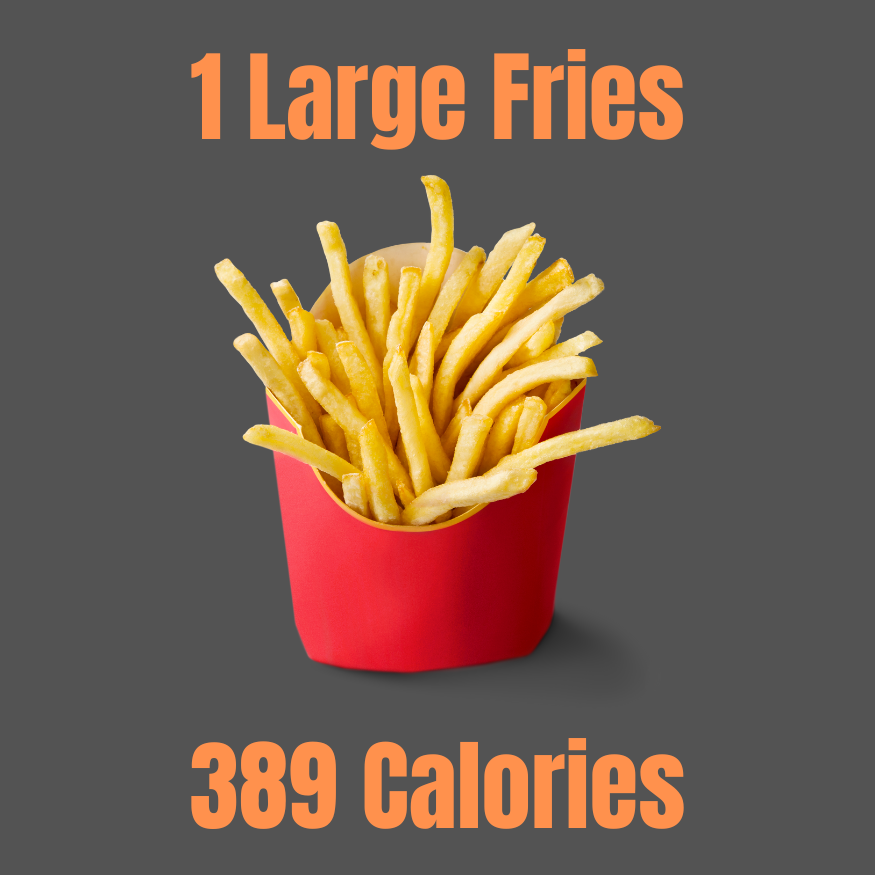
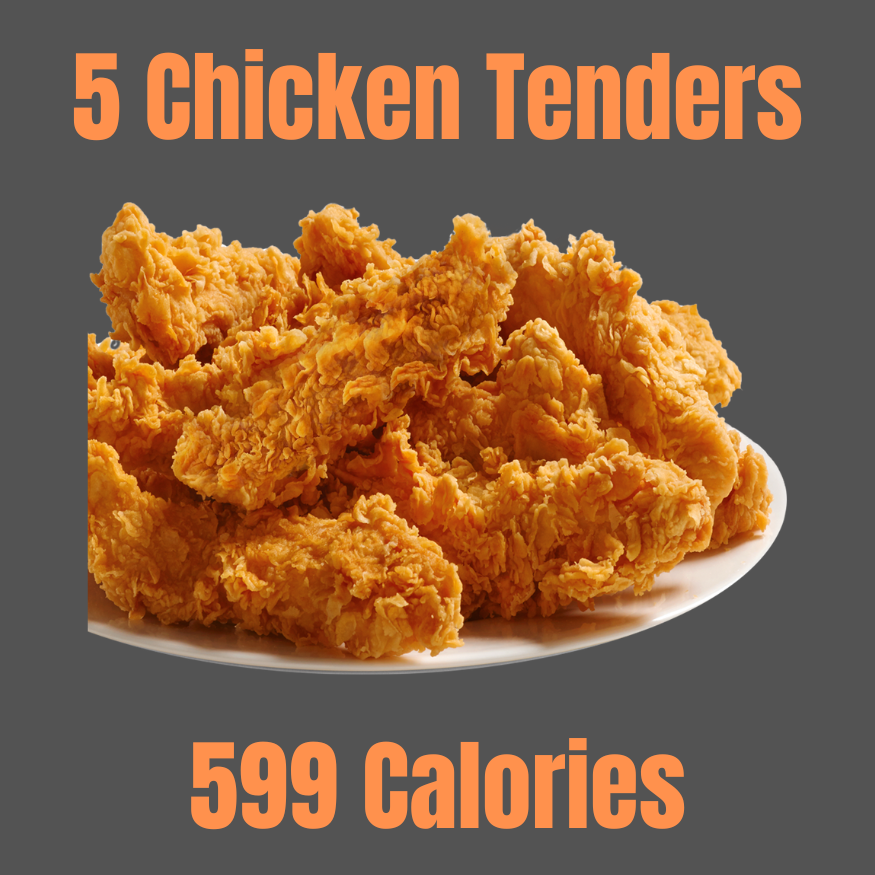
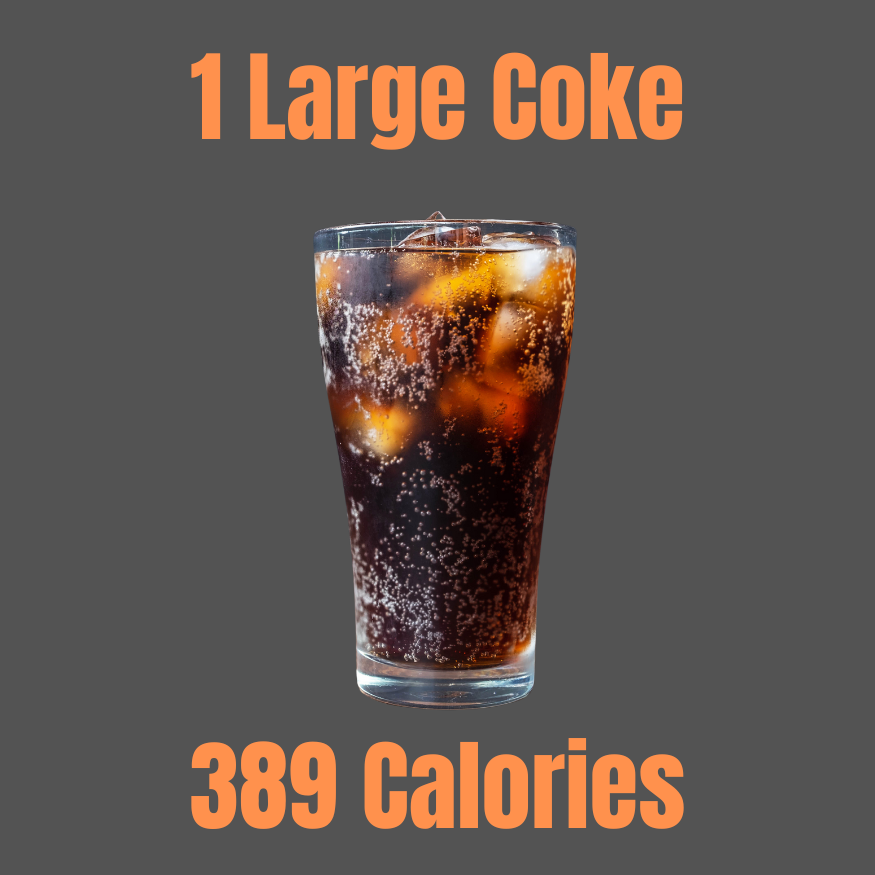

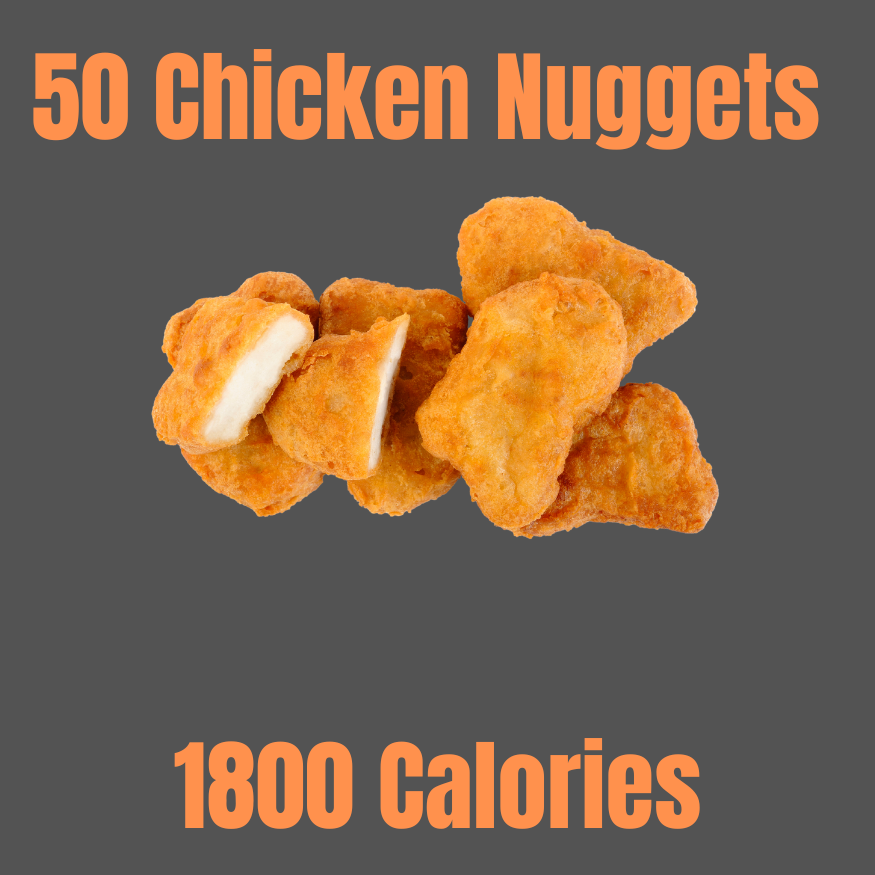
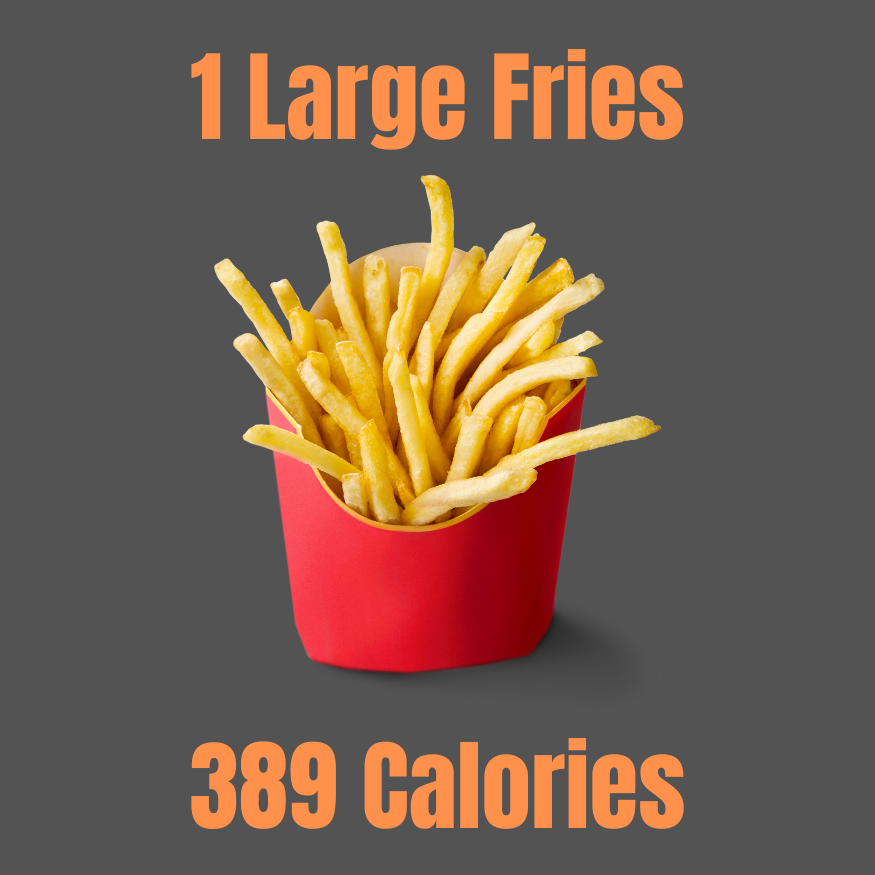
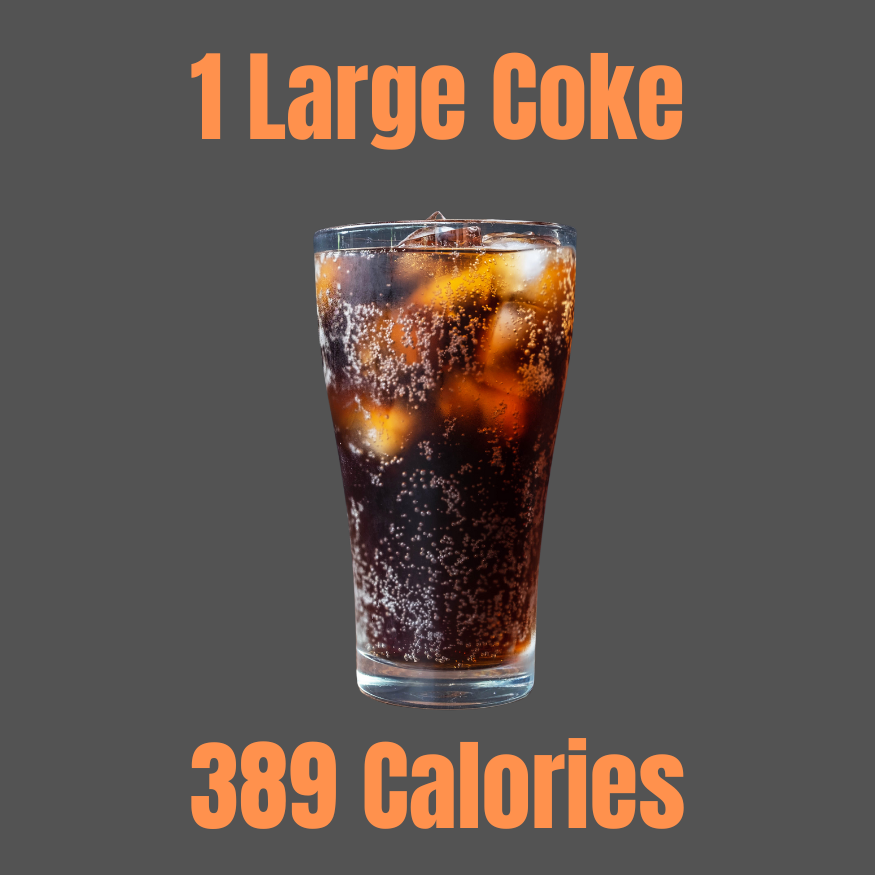
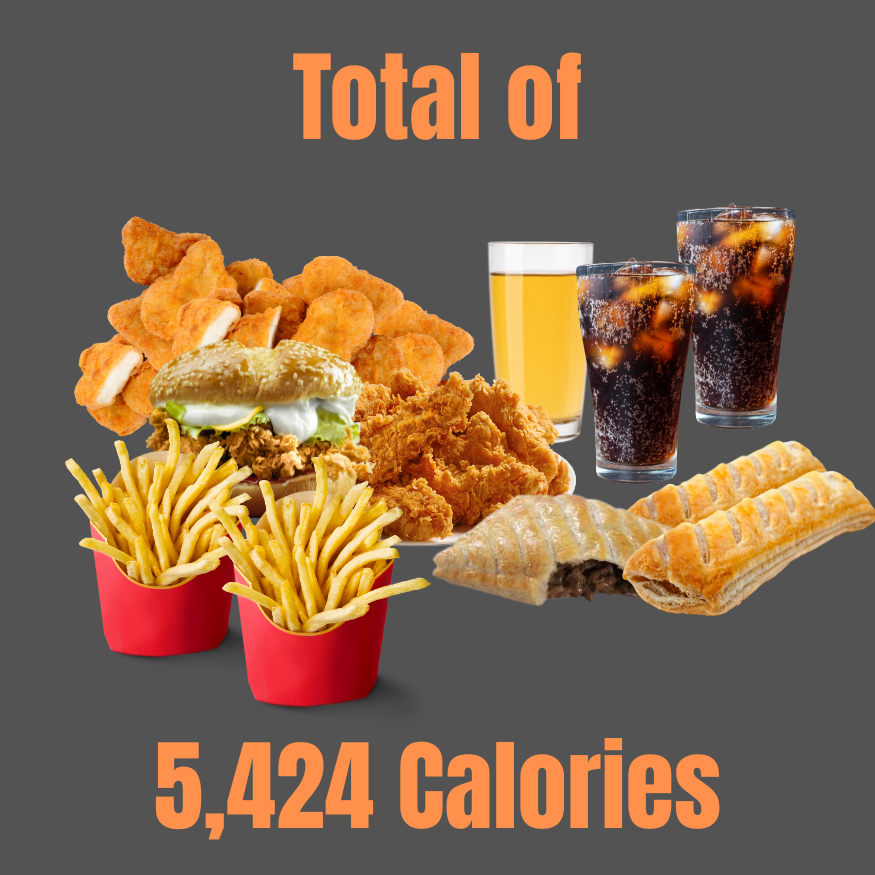
But don’t get caught in the weeds with science. What really matters for weight loss is this: you need to eat fewer calories than you burn.
Yes, macronutrients (protein, carbs, fats) are important—but if you’re just starting out, focus on understanding your calorie intake first. Master that, and everything else becomes easier.
The Power of Calorie Density
In theory, you could eat nothing but chips and still lose weight—as long as you’re in a deficit. But good luck feeling satisfied.
This is where calorie density matters. That’s how many calories are packed into a portion of food, and more importantly, how filling it is.
• 1800 calories of chips? Easy to smash in one sitting, still hungry after.
• 1800 calories of broccoli? You’ll be chewing for days and feel like you’re going to burst.
Choose foods that keep you fuller for longer. That’s how you stay consistent without suffering.
The Truth About Calories and Exercise
Your fitness tracker says you burned 500 calories on the treadmill. Sweet—time to eat 500 calories worth of food, right?
Not so fast.
Your body is already burning energy 24/7. Even at rest, your body needs fuel to keep going. Men typically burn around 2500 calories a day; women, around 2000.* (*This varies based on age, weight, height, and activity level.)
Also, let’s be real—fitness trackers aren’t that accurate. They’re great for showing trends (like how active you are), but don’t trust the calorie readouts as gospel. I use an Apple Watch, and the only number I half-believe is my step count.
Ultra-Processed Foods and Why We Struggle
Let’s be honest—this isn’t all our fault.
Today’s food is engineered to taste amazing and keep us coming back for more. Ultra-processed convenience foods are designed to light up our brain’s reward systems. That’s why it’s so easy to overeat them—and so hard to stop.
But now that you’re aware of it, you can take back control.
Can You Out-Exercise a Bad Diet?
Short-term? Maybe.
Long-term? Absolutely not.
You’ll burn out physically and mentally. Exercise should be an accelerator, not the entire engine.
If your diet is dialled in, exercise just makes the process faster and more enjoyable. Plus, there are all the extra benefits: better heart health, more energy, stress relief, and confidence gains.
Key takeaway (not that kind!)
How Do You Lose Fat?
• Eat fewer calories than you burn.
• Understand what you’re eating.
• Choose foods that keep you full.
• Move your body, but don’t rely on workouts alone.
• Track for awareness, not obsession.
That’s it. No magic. No secrets.
And no cabbage soup required.